
UGR explained: what low-glare light means for your workplace
UGR stands for Unified Glare Rating - a measure of glare. The lower the value, the more comfortable the light. We explain what UGR means and why it matters in the office.
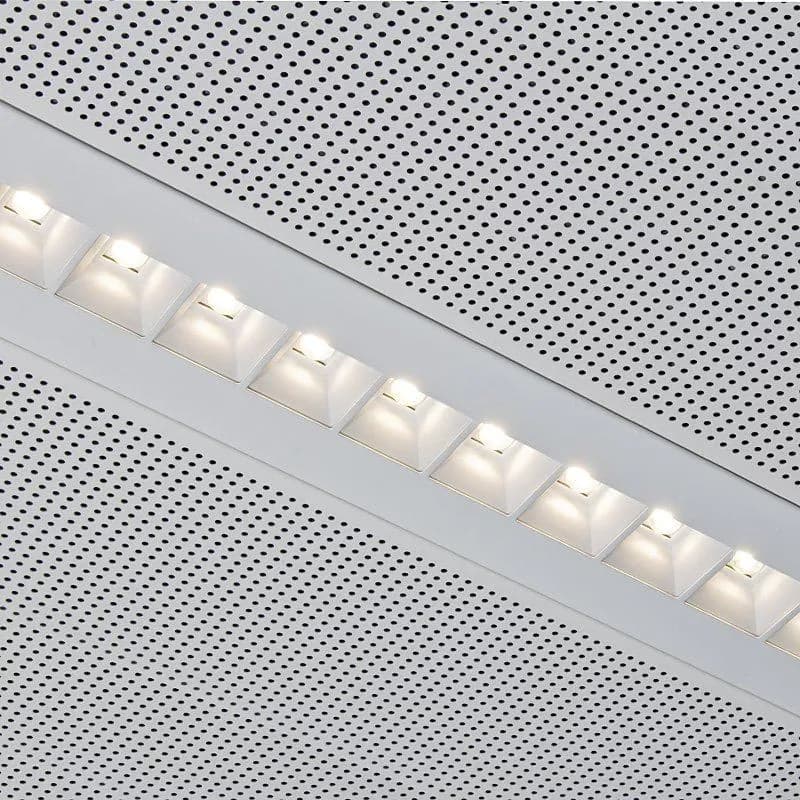
Glare is one of the most underestimated causes of visual discomfort at the workplace. Light that is too bright or poorly directed leads to tired eyes, headaches and loss of concentration. The degree of glare is expressed in the UGR value (Unified Glare Rating).
What is UGR?
UGR is a standardised measure indicating how disturbing the glare of a luminaire is in a space. The scale typically runs from 10 (barely any glare) to 30 (strong glare). The lower the number, the calmer and more comfortable the light image.
Which value do you need?
For offices and screen workstations, UGR <19 is the standard (EN 12464-1). For spaces with higher demands, such as control rooms or fine visual work, UGR <16 is preferred. In corridors and less critical spaces, a higher value is often sufficient.
How do you achieve a low UGR?
A low UGR is achieved by properly shielding the light source and directing the beam. Techniques such as recessed lenses, a louver or a deep reflector limit the direct visibility of the LED. This keeps light output high while preventing reflections on screens.
Comfort and performance
Low-glare light is not a luxury but a condition for pleasant and productive work. Many Atomis luminaires, such as the Metronome and Interline families, are designed with low glare (UGR <19 or <16) without compromising on light quality.
Curious which luminaires suit your project's requirements? Get in touch for advice or a lighting calculation.
3 oktober 2026